Is It Worth Getting an Attorney for a Car Accident in Ohio?
What the Data Says: Attorney vs. No Attorney
This isn't a matter of opinion — the numbers are clear.
According to the Insurance Research Council, 85% of all insurance payouts for bodily injury claims went to claimants represented by an attorney. Victims with legal representation received settlements nearly 3.5 times higher than those without.
In plain terms: if the insurer offers you $20,000 on your own, a represented claimant in the same situation might walk away with $70,000.
Insurance companies know this. That's why they try to settle fast — before you speak to an attorney.

When You Probably Don't Need an Attorney
Not every accident requires legal representation. You may be fine handling it yourself if:
- Your injuries are minor and fully healed within a few weeks
- Liability is clear and undisputed
- Your total medical bills are under $3,000–$5,000
- The other driver's insurer accepts full fault without dispute
- You have no lost wages
In these cases, a quick settlement may actually be the right move.
When You Should Hire an Attorney
Hire an attorney if any of the following apply:
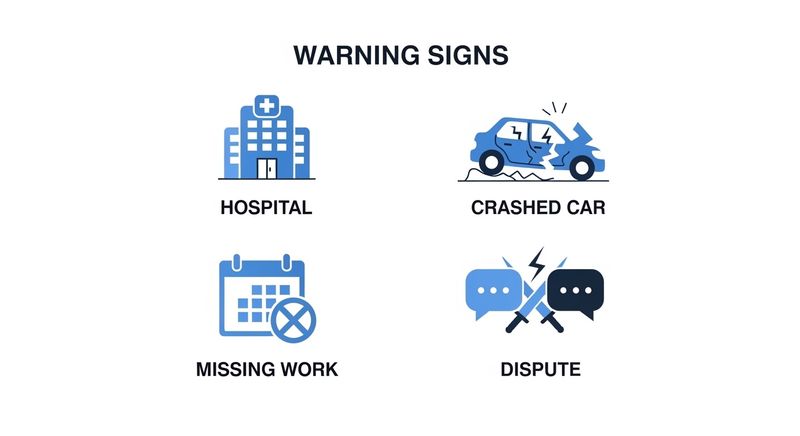
- You have injuries requiring surgery, hospitalization, or ongoing treatment
- You missed work due to the accident
- Liability is disputed or shared
- The insurer is delaying, lowballing, or pressuring you to sign quickly
- You suffered permanent injury or disability
- A commercial vehicle (truck, rideshare) was involved
- The other driver was uninsured or underinsured
Insurance companies employ entire teams of trained adjusters and attorneys whose primary goal is to minimize payouts. Having a lawyer levels the playing field.
How Ohio Attorney Fees Work — And Why They Usually Pay Off
Ohio PI attorneys work on contingency — you pay nothing upfront. The fee (typically 33%) comes out of your settlement only if you win.
Simple math example:
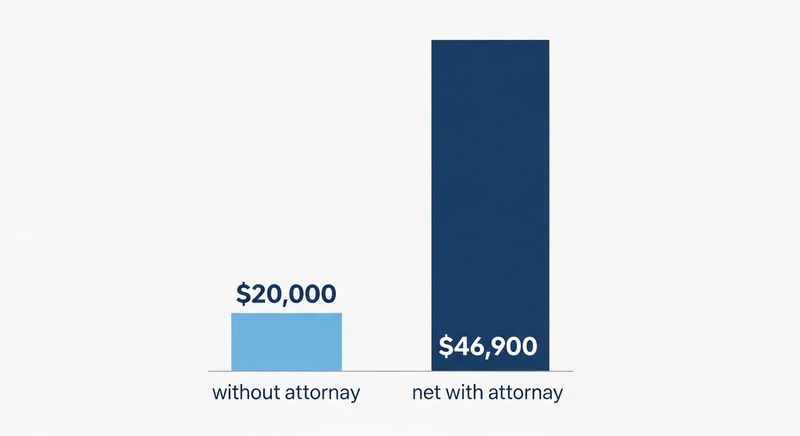
- Insurer's initial offer: $20,000
- With attorney (3.5x): $70,000
- Attorney fee (33%): $23,100
- Your net: ~$46,900 vs. $20,000 alone
Even after the fee, you come out significantly ahead in most serious cases.
Ohio's statute of limitations is 2 years from the accident date under Ohio Revised Code § 2305.10 (codes.ohio.gov). Miss this deadline and you lose your right to compensation entirely — regardless of how strong your case is.
What to Do Immediately After a Car Accident in Ohio
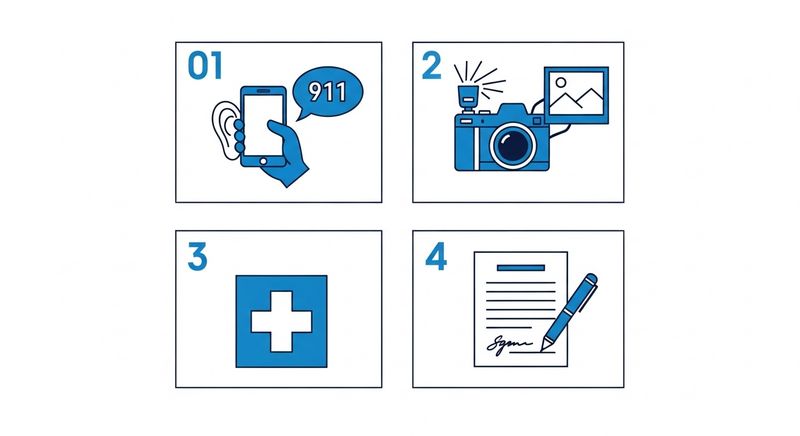
- Call 911 and get a police report
- Document everything — photos, witness contacts, dashcam footage
- Seek medical attention even if you feel fine
- Do not give a recorded statement to the insurer without consulting an attorney first
- Contact a PI attorney for a free consultation before accepting any offer
Bottom Line
For minor accidents with no injuries — handle it yourself. For anything involving real injuries, missed work, or a disputed claim — get an attorney. The data is unambiguous: represented claimants get substantially more money, even after fees.
OrdoLaw connects accident victims with qualified attorneys in Ohio. We do not provide legal advice. Always consult a licensed attorney for your specific situation.
Frequently Asked Questions
How much does a car accident attorney cost in Ohio?
Most Ohio car accident attorneys work on contingency — no upfront fees. They typically take 33% of your settlement. If you don't win, you pay nothing.
Should I talk to the insurance company before hiring an attorney?
Avoid giving a recorded statement before consulting an attorney. Insurers use your words to minimize your claim. A free consultation costs nothing and protects your rights.
How long do I have to file a car accident claim in Ohio?
Ohio's statute of limitations is 2 years from the date of the accident under Ohio Revised Code § 2305.10. Missing this deadline bars you from any compensation.
Can I still get compensation if I was partly at fault in Ohio?
Yes. Under Ohio Revised Code § 2315.33, you can recover damages as long as you are 50% or less at fault. Your payout is reduced by your fault percentage.
How long does a car accident settlement take in Ohio with an attorney?
Simple cases typically settle in 3–6 months. Complex cases involving serious injuries or disputed liability can take 1–2 years.